


ABAYA

HIJAB | SHEILA

OUD OIL

Our aim: offer elegant, timeless & functional abayas
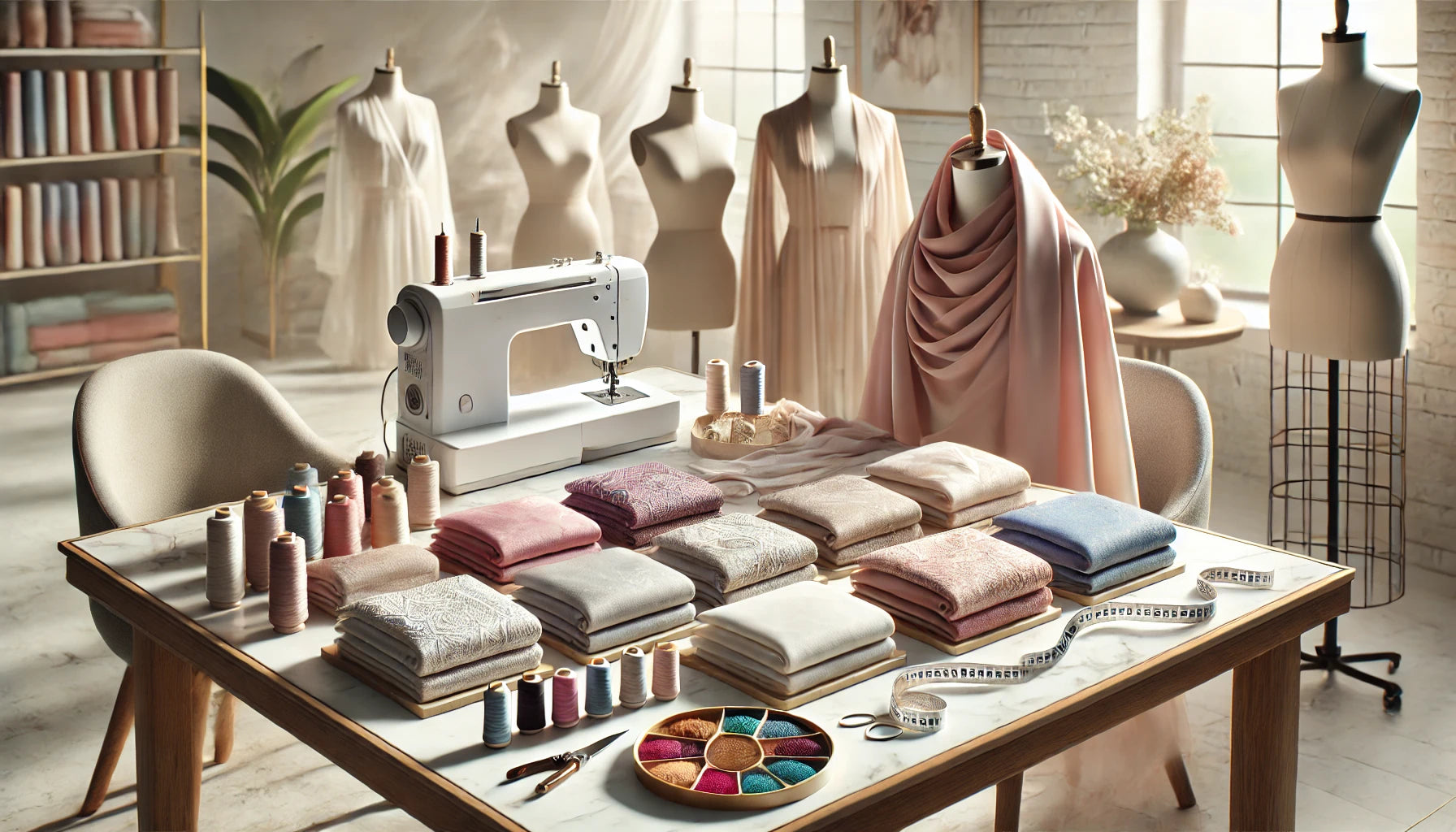
Our Passion for Abayas
Every abaya tells a story. We create abayas that embody elegance, tradition, and style. Handmade in the UAE, each piece is designed in small batches to ensure quality. Our passion shows in every stitch, reflecting our heritage.
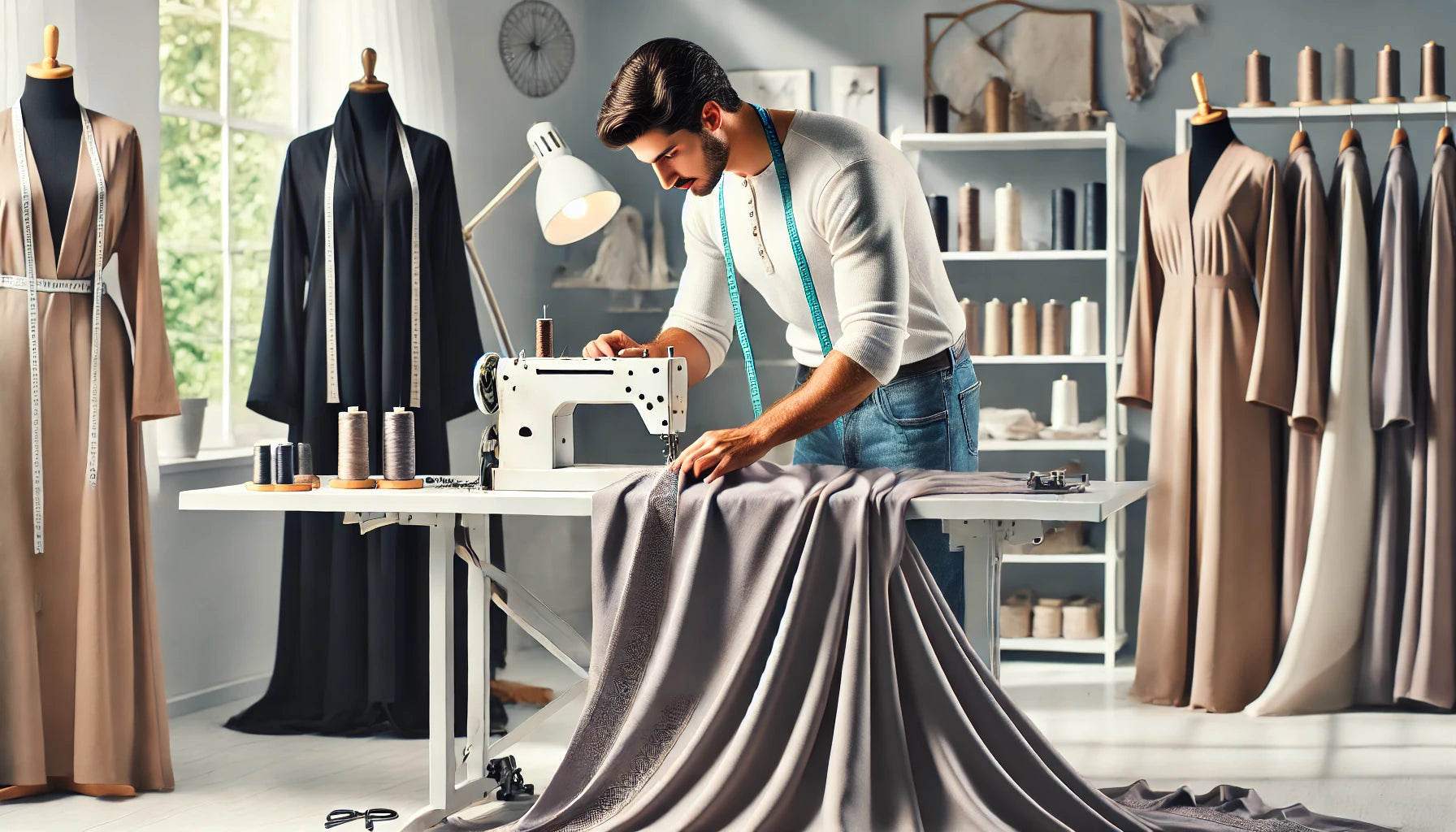
Crafted by Master Tailors
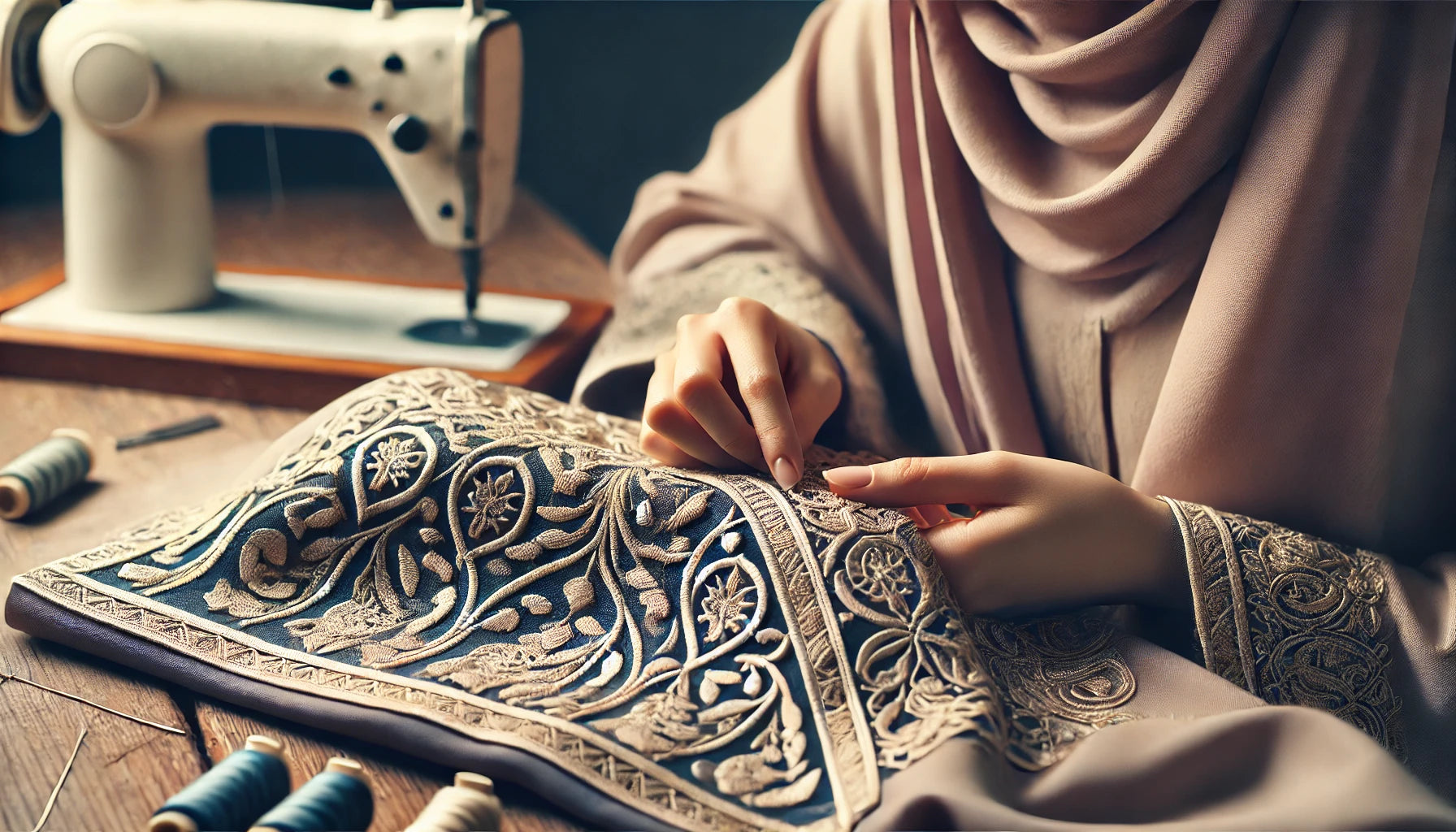
Our abayas are crafted by expert tailors with over 20 years of experience. We use time-honored techniques to create abayas with precision and care. The result? Stunning, comfortable, and luxurious abayas for every occasion.

Quality That Sets Us Apart
Quality is at our core. By producing in small batches, we ensure every abaya gets the attention it deserves. From high-quality fabrics to final touches, our abayas are made with care and detail, capturing true elegance.
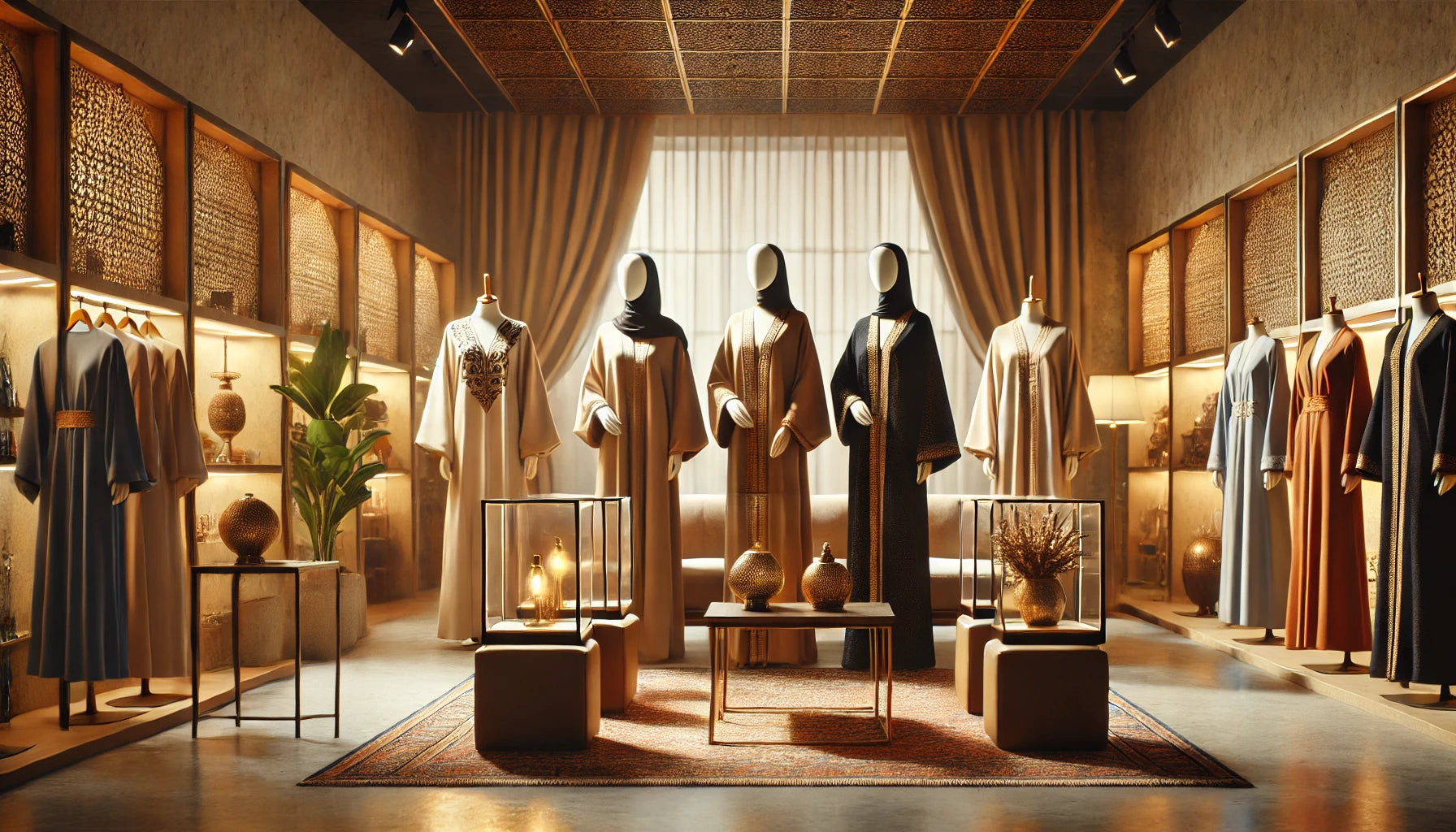
Welcome
Welcome to Abaya Casa! Discover timeless elegance with our handmade abayas. Enjoy 10% off when you sign up to our newsletter.
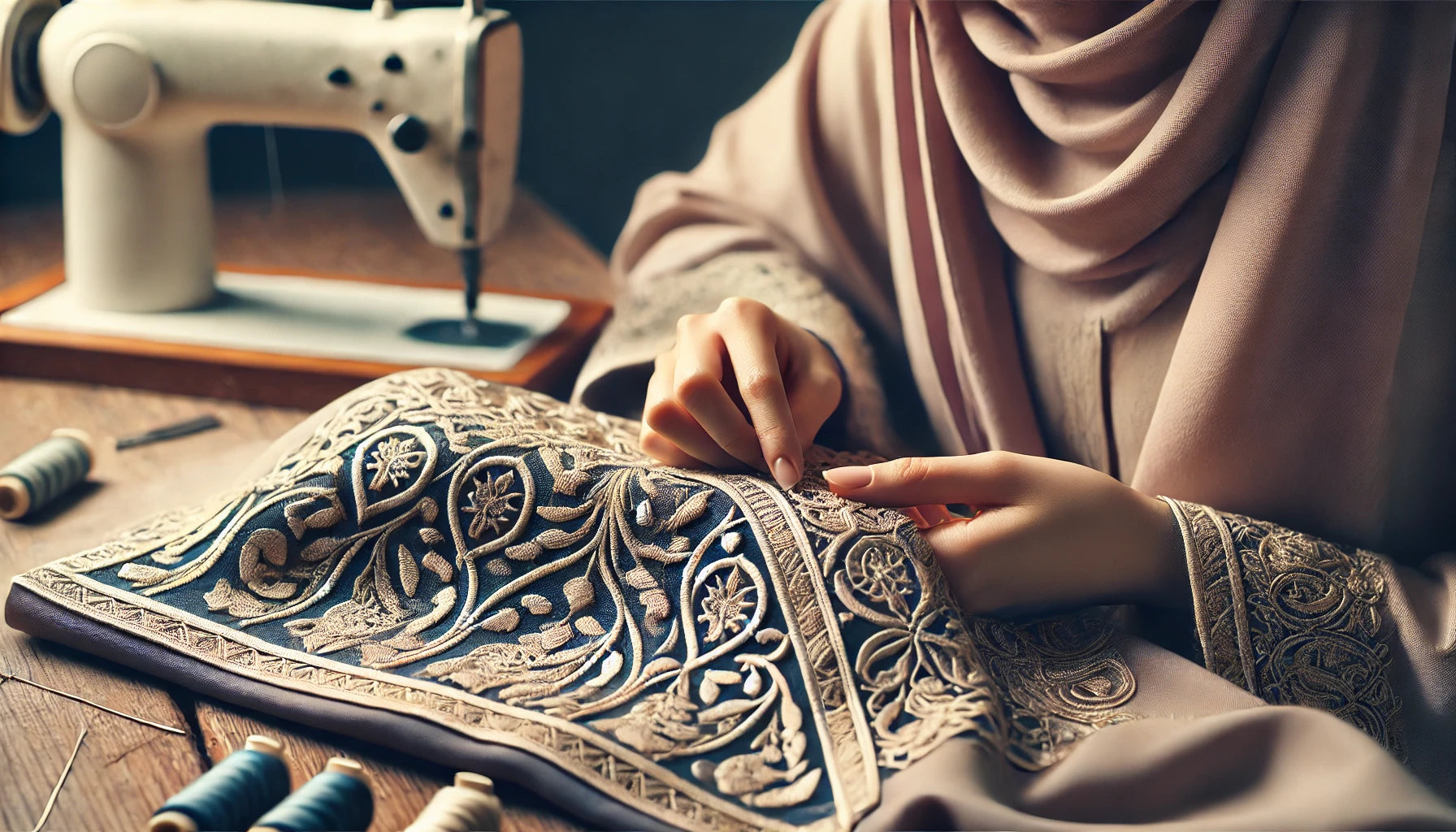
Experience Timeless Elegance
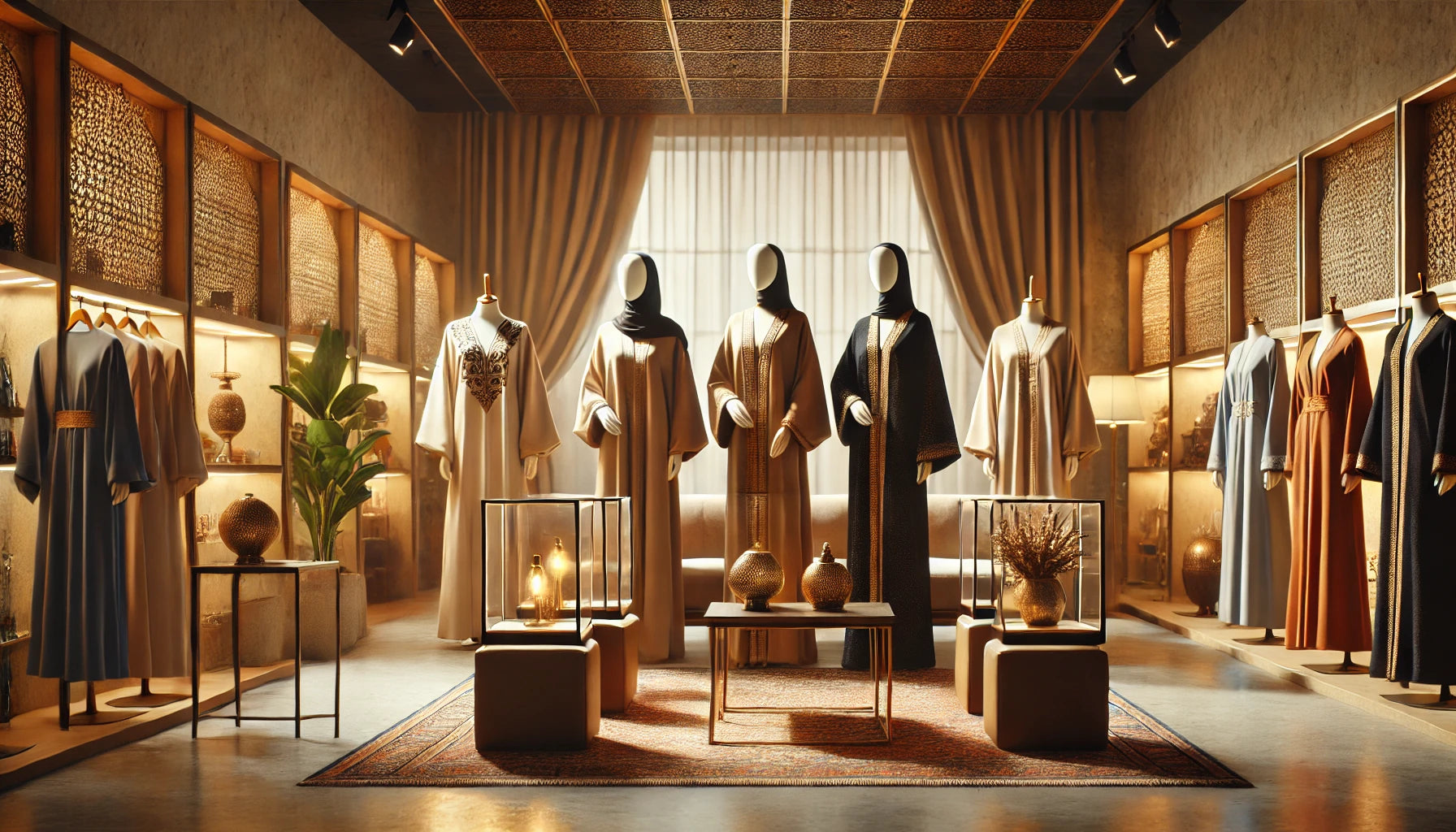
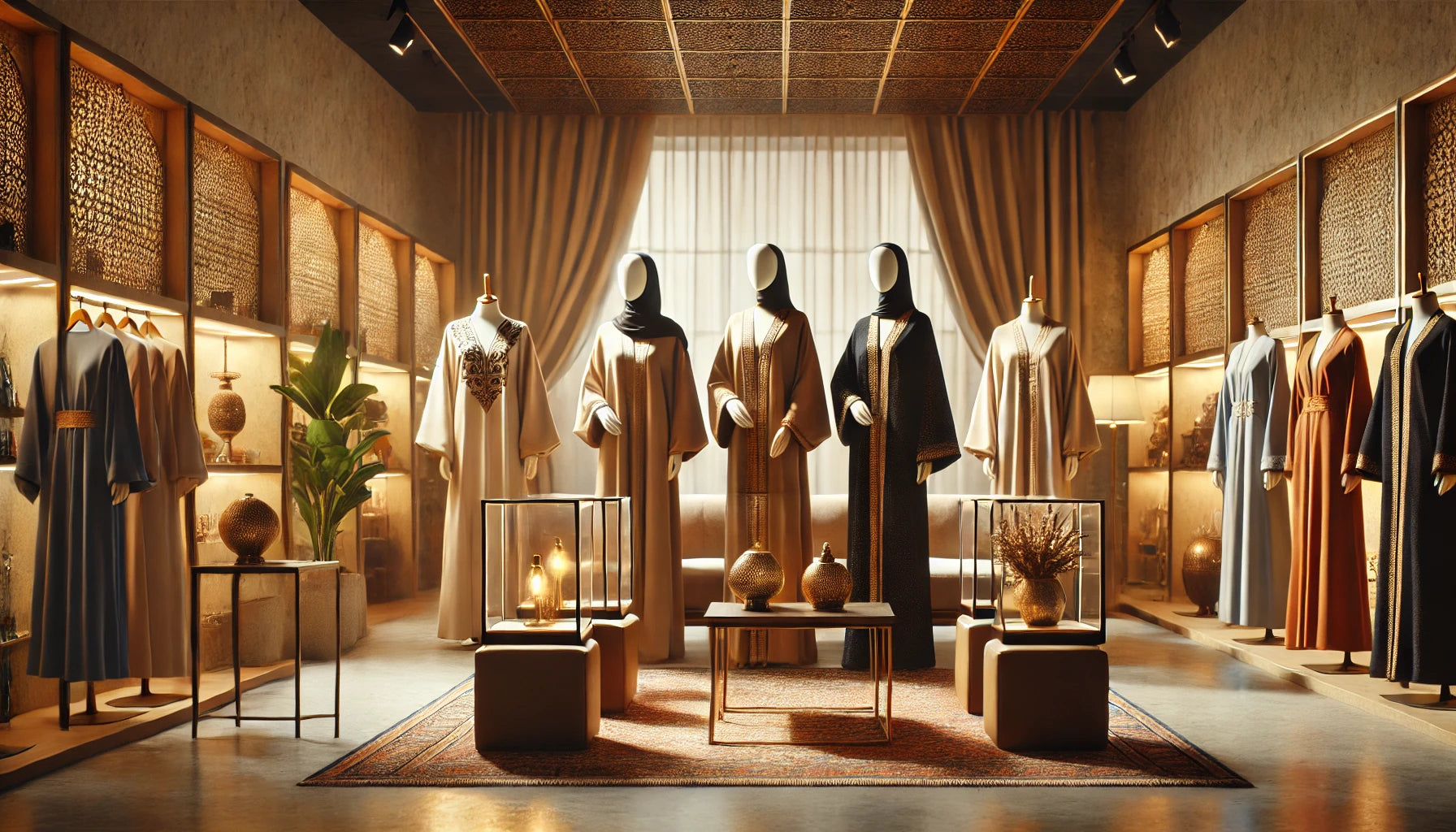
Step into our world of elegance. Each abaya is crafted to reflect beauty and grace—explore our latest collections today.
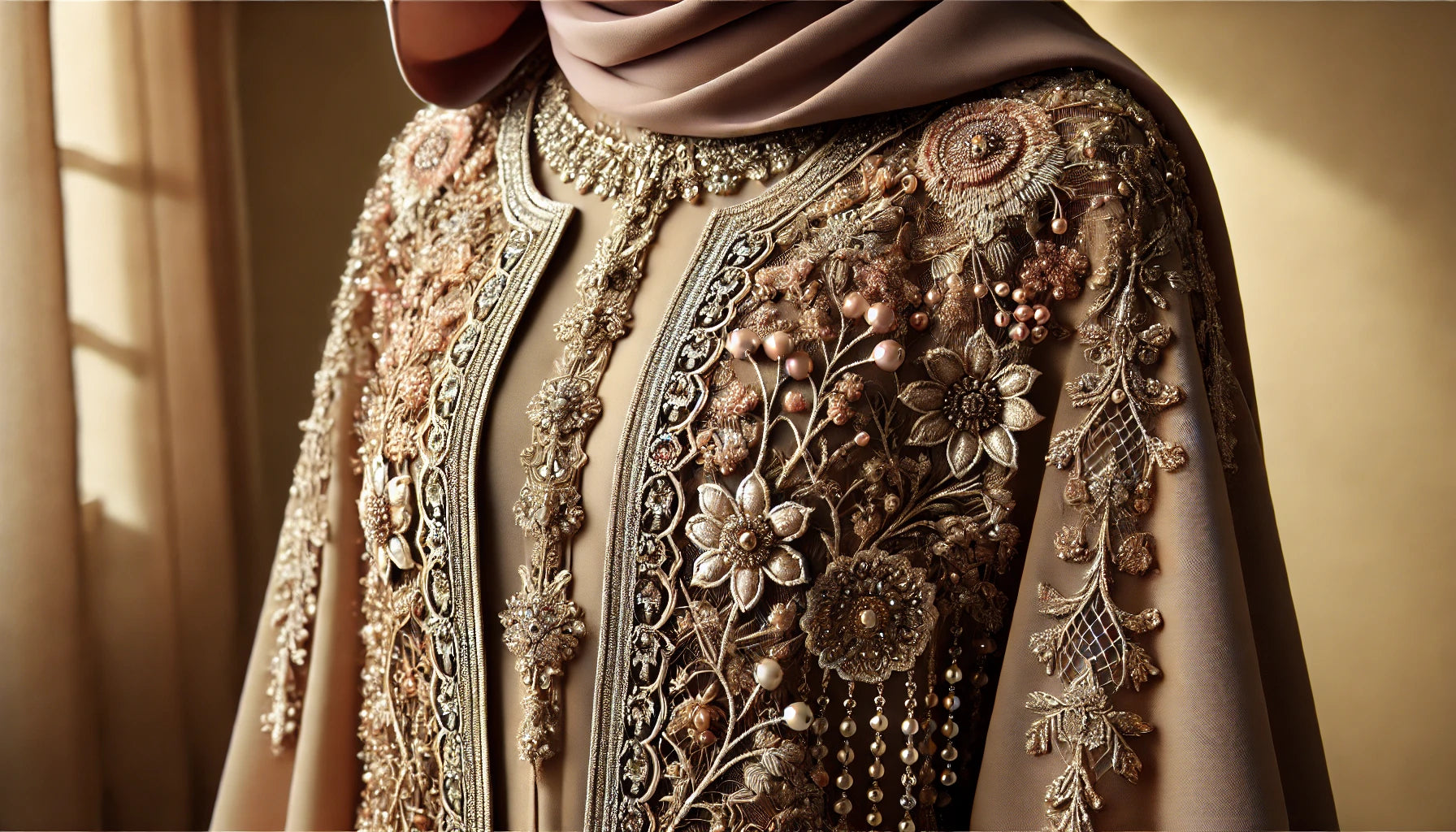
Style for Every Occasion
Discover abayas that are designed for comfort and style, perfect for every moment of your day.
Need help?
Frequently Asked abaya Questions
Yes, we ship all over the world with DHL & UPS. Shipping costs may apply, and will be added at checkout. We run discounts and promotions all year, so stay tuned for exclusive deals.
It depends on where you are. All orders are handmade on order, taking roughly 5 days to make. Deliveries can take anywhere from 2-3 days.
An abaya (عباية) (also known as jilbab, abaya dress) is a traditional outer garment worn by Muslim women, known for its modesty and elegance. Often referred to as an abaya dress, it is characterised by its loose, flowing fit that ensures comfort and freedom of movement and worn with a hijab (sheila). Abayas are available in a wide range of styles, from understated everyday options to intricate designs meant for special occasions, embodying true abaya fashion. Some abayas also feature built-in belts, adding a flattering shape and touch of modernity to the classic silhouette.
Yes, abayas (عباية) (also known as jilbabs, abaya dress) are not exclusive to the Muslim community. Anyone, regardless of their faith, can wear abayas, especially those who appreciate modest yet stylish clothing. Their versatile design makes them an ideal choice for anyone seeking comfort, elegance, and a modern sense of modest fashion.
No, an abaya and a burqa are not the same, though both are modest garments worn by some Muslim women.
An abaya is a loose-fitting, full-length robe that is typically worn over regular clothing, often paired with a hijab to cover the hair. It is open at the front or can be worn closed, and it does not cover the face.
A burqa, on the other hand, is a garment that covers the entire body, including the face. It is designed to provide complete coverage.
Both garments reflect modesty, but they differ significantly in terms of coverage and style.
Yes, you can wear an abaya (عباية) without a hijab. While abayas are traditionally worn with a hijab to achieve full modesty, it ultimately depends on personal choice and cultural preferences.
Some women prefer to wear the abaya as a stylish outer garment without covering their hair.
The beauty of the abaya lies in its versatility—it can be worn in a way that suits individual comfort and style.
The best abaya fabric depends on the occasion, climate, and personal preference. Here are some popular abaya fabrics and their qualities:
- Nidha: Nidha is one of the most popular fabrics for abayas, especially in the Arabian Gulf. It's a lightweight, soft, and breathable material with a smooth finish, making it comfortable to wear in warm climates and perfect for both casual and formal occasions.
- Chiffon: Chiffon abayas are known for their light, flowy texture, which gives an elegant drape. This fabric is often used in embellished abayas for formal occasions. However, chiffon is sheer, so it’s often layered or combined with other materials for modest coverage.
- Linen: Linen is ideal for hot weather because of its natural breathability and moisture-wicking properties. Linen abayas are perfect for casual wear, as they are comfortable and provide a relaxed look, but they can wrinkle easily.
- Silk: Silk abayas are luxurious and perfect for special occasions. The smooth texture and subtle shine make them suitable for formal events or festive wear. However, silk requires more care and may not be ideal for everyday use.
- Crepe: Crepe is a versatile fabric that can be lightweight or medium-weight. It has a textured surface and drapes beautifully, making it suitable for abayas that need a structured look. It’s commonly used for both everyday wear and more embellished styles.
- Jersey: Jersey fabric is soft, stretchy, and comfortable, making it great for casual abayas or for women who need freedom of movement. It’s less formal but very practical for everyday use, especially for travel or running errands.
- Georgette: Georgette is a lightweight, slightly textured fabric often used for abayas that have intricate details. It is durable and drapes nicely, providing a stylish look without being overly heavy.
- Satin: Satin abayas are shiny and luxurious, often chosen for formal occasions or evening wear. The glossy finish of satin gives abayas an elegant touch, but similar to silk, satin may not be the best choice for daily wear due to its care requirements.
For everyday wear, Nidha and Crepe are popular choices due to their comfort and ease of maintenance.
For formal occasions, Silk, Satin, or Chiffon abayas are preferred for their luxurious appearance.
It’s important to consider the climate, the event, and your personal comfort when choosing the best fabric for an abaya.
The abaya is important for a variety of cultural, religious, and personal reasons:
- Modesty: The primary purpose of the abaya is to ensure modesty, which is an important value in many Muslim cultures and is emphasised in Islam. The loose-fitting design of the abaya helps conceal the body's shape, aligning with Islamic guidelines for modest dress for women.
- Cultural Identity: The abaya holds cultural significance, particularly in the Middle East. It is a symbol of tradition and identity, reflecting cultural values and a sense of belonging. Wearing an abaya can be a way for women to express pride in their heritage.
- Versatility: The abaya is also practical and versatile. It can be styled in many ways to suit different occasions, from casual to formal, making it an important garment in a woman’s wardrobe. The abaya’s adaptability allows it to be worn comfortably in various settings while maintaining modesty.
- Comfort: Abayas are typically made from breathable, lightweight fabrics that are comfortable in the often hot climates where they are traditionally worn. The loose design allows for freedom of movement and comfort, making it a practical choice for daily wear.
- Religious Expression: For many Muslim women, the abaya is also a form of religious expression. It aligns with their faith’s principles and values, and wearing it is a way to express their spirituality and devotion.
- Elegance and Fashion: Beyond modesty, abayas are also known for their elegance. With evolving fashion trends, abayas now come in various styles, designs, and fabrics, often adorned with embroidery or embellishments, allowing women to express their personal style while maintaining modesty.
- Respect for Social Norms: In certain regions, wearing an abaya is a social norm and is often required in public spaces. Wearing it shows respect for local customs and social expectations.
Overall, the abaya is much more than just a piece of clothing—it represents modesty, cultural pride, comfort, and personal or religious values.
Its importance varies from person to person, but for many, it is a powerful symbol of identity and tradition.
Yes, at Abaya Casa, we are deeply committed to giving back to the community. That’s why 10% of our profits are dedicated to charitable causes. By supporting us, you’re not just purchasing a beautiful abaya - you’re also contributing to initiatives that help uplift and empower those in need. Together, we can make a meaningful impact, insha'Allah.
Let customers speak for us
3,000+ Satisfied Customers
Our products are rated with an average of 4.8 stars by our customers.